
 30.08.2025a year ago
The Role of Temperature Monitoring in Modern Health Coaching
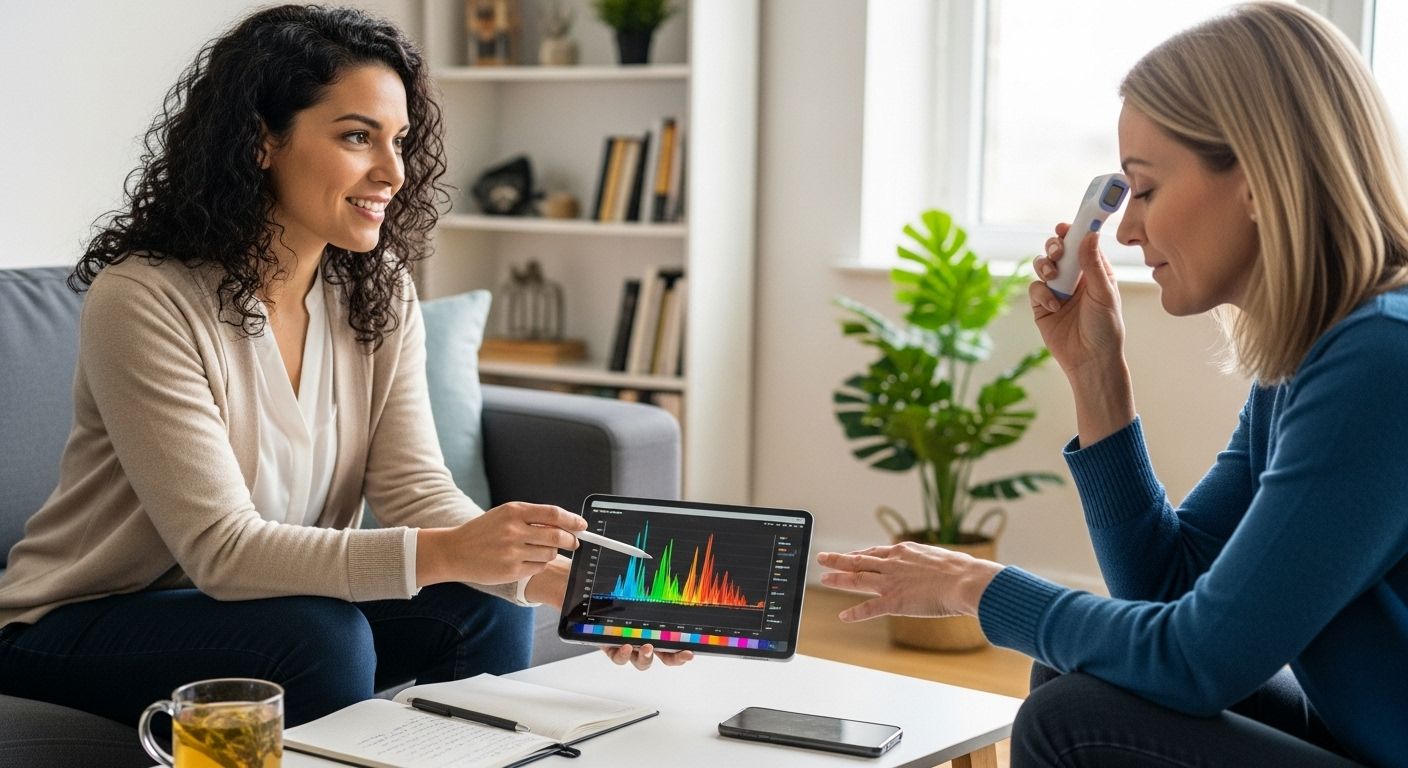
Temperature monitoring is quickly becoming a key element of digital wellness and client-focused coaching. Health and performance coaches, nutritionists, and dietitians who incorporate temperature alongside breathing rate, oxygen saturation, and other wearable data can gain deeper insights to track, understand, and enhance client progress. By integrating temperature monitoring into your coaching routine—especially with platforms like Ownership.Health—you can deliver smarter, safer, and more personalized results for your clients.
Why Temperature Matters in Health Coaching
Body temperature is a fundamental physiological signal — it reflects metabolic load, infection or inflammation status, thermoregulatory strain, and environmental heat risk. These factors directly impact training readiness, recovery, and nutrition planning. When combined with other vital signs such as heart rate, breathing rate, and blood oxygen saturation (SpO2), temperature trends offer a powerful early warning system for illness, overreaching, or heat stress.
Key Facts and Evidence
- Real-time temperature feedback from modern wearables and apps enables coaches to spot deviations quickly, improving safety and adherence.
- Elevated temperature often coincides with increased heart and respiratory rates as the body works to dissipate heat and meet oxygen demand.
- Continuous temperature monitoring in clinical settings has been shown to change care processes and improve outcomes, underscoring its value in proactive health management (PubMed).
- Abnormal ECG signs suggestive of ischemia occurred in 70% of participants who sprinted without a warm-up; proper warm-up, which safely raises muscle temperature, minimized this risk.
Integrating Temperature with Wearable Data and Client Dashboards
Platforms like Ownership.Health merge temperature data with other streams — heart rate, SpO2, breathing rate, and activity — across devices such as Oura, Garmin, Fitbit, and Apple Health. This cross-device sync provides a holistic, organized view of each client’s status, making it easier to decode trends and flag key changes.
How Temperature Links to Other Vital Signs
- Heat and Metabolic Load: Elevated temperature is often paired with higher breathing and heart rates. This is especially relevant during intense training or in hot environments, where monitoring these metrics together can prevent heat-related issues.
- Oxygen Kinetics: Increased temperature facilitates oxygen release from hemoglobin, which can boost performance at the right intensity but also raises energy demands — critical for coaches to consider when planning sessions and nutrition.
- Cross-Signal Inference: By combining temperature with HRV, resting HR, breathing rate, and SpO2, coaches can distinguish between fever/illness, pure heat exposure, or overreaching, enabling more precise interventions.
Practical Applications: From Training to Recovery
1. Warm-Up and Performance
A graduated warm-up raises muscle temperature safely, improving oxygen offloading and substrate delivery. For power sessions, slightly elevated muscle temperature is beneficial; for endurance or heat-exposed sessions, a conservative warm-up helps avoid early fatigue.
2. Heat Acclimation and Readiness
Tracking environmental heat alongside client temperature and breathing rate allows coaches to adjust session loads in real time. This is especially important for athletes or clients training in hot climates or during summer months.
3. Recovery and Illness Detection
Morning temperature trends, when paired with HRV and breathing rate, can flag early signs of illness or overreaching. This enables coaches to adjust training volume, intensity, and nutrition (hydration, electrolytes, carbohydrates) before issues escalate.
4. Nutrition and Hydration Strategies
- Hydration and Electrolytes: Temperature and breathing rate trends under heat stress inform individualized fluid and sodium targets during and after sessions.
- Illness and Appetite: Elevated temperature with systemic symptoms may require temporary dietary adjustments, prioritizing hydration and easily digestible nutrients.
- Micronutrient Losses: Heat and sweating increase sodium and sometimes magnesium losses; integrating sweat-rate estimates with temperature and workload data can refine nutrition plans (CDC Heat Stress Guidelines).
Ensuring Accuracy and Compliance
Sensor Accuracy and Limitations
Consumer wearables often estimate skin rather than core temperature, so values should be interpreted as trends rather than absolute measures. Coaches should validate data against symptoms and avoid using wearable data for clinical diagnosis.
Data Privacy and Ownership
Ownership.Health ensures that clients own their data, with no third-party reselling or platform lock-in. This aligns with best practices in digital health privacy and regulatory compliance (HIPAA, GDPR).
Protocols and Thresholds
Establish clear action thresholds (e.g., sustained deviation from baseline, unusual coupling of temperature with breathing rate or SpO2) and escalation steps (rest, hydration, referral) within your coaching SOPs and client consent documents.
Making Dashboards Actionable
Ownership.Health’s client dashboards and AI Copilot help coaches:
- Set individual baselines for temperature, breathing rate, HR, HRV, and SpO2.
- Add environmental data to contextualize heat strain.
- Create playbooks for heat day modifications, illness protocols, and fueling calculators.
- Educate clients on sensor placement, when to pause training, and when to seek medical evaluation.
Weekly summaries and real-time alerts ensure that both coaches and clients can act on meaningful trends, not just raw numbers.
Expert Insights and Best Practices
- Individual baselines matter more than universal cutoffs. Use rolling baselines for each client’s morning temperature and overlay with other vital signs to detect meaningful deviations.
- Prioritize trend analysis over single readings. This approach mirrors occupational health monitoring and is more reliable for coaching decisions.
- Review wearable accuracy periodically by cross-checking with clinical thermometers during rest.
Where Temperature Monitoring Is Most Impactful
- Heat-exposed training blocks and competitions
- Return-to-play after illness or travel
- High-risk clients (e.g., low heat acclimation, cardiometabolic conditions)
Limitations and Considerations
- Most research on physiological monitoring comes from occupational rather than athletic settings; professional judgment is required for translation.
- Consumer wearables may not provide clinical-grade accuracy — interpret absolute values cautiously and focus on individualized trends.
Recent Trends in Digital Wellness
The field is moving toward integration-first design, with non-intrusive, multi-signal wearables and app-based summaries supporting real-time coaching interventions. However, researchers emphasize the need for validation and careful design to account for measurement error (Nature Digital Medicine).
FAQ
How accurate is temperature monitoring with wearables?
Wearables typically measure skin temperature, which can be influenced by environmental factors. They are best used for tracking trends rather than diagnosing illness. Always corroborate with symptoms and, if needed, clinical thermometers.
How should coaches use temperature data in practice?
Set individual baselines and monitor for deviations. Use temperature trends alongside breathing rate, saturation, and other wearable data to guide training, recovery, and nutrition decisions. Platforms like Ownership.Health automate much of this process.
What are the privacy implications of collecting temperature data?
Choose platforms that prioritize data privacy and client ownership, such as Ownership.Health, which is GDPR and HIPAA-compliant and allows full data export.
Can temperature monitoring help prevent overtraining or illness?
Yes. Early deviations in temperature, especially when paired with changes in breathing rate or SpO2, can signal overreaching or illness, allowing for timely intervention.
Are there regulations around temperature monitoring in coaching?
While not strictly regulated for coaching, temperature monitoring is essential for safe storage of medications and biologics in clinical practice. For coaching, ensure clear consent and avoid using wearable data for clinical diagnosis.
Empowering coaches with actionable, integrated data is the future of digital wellness. By leveraging temperature monitoring alongside breathing rate, saturation, and wearable data, you can deliver more personalized, precise, and proactive coaching — building trust and driving results at scale. Learn more about how Ownership.Health can transform your practice today.