
 08.08.2025a year ago
Turning Sleep Data Into Health Outcomes
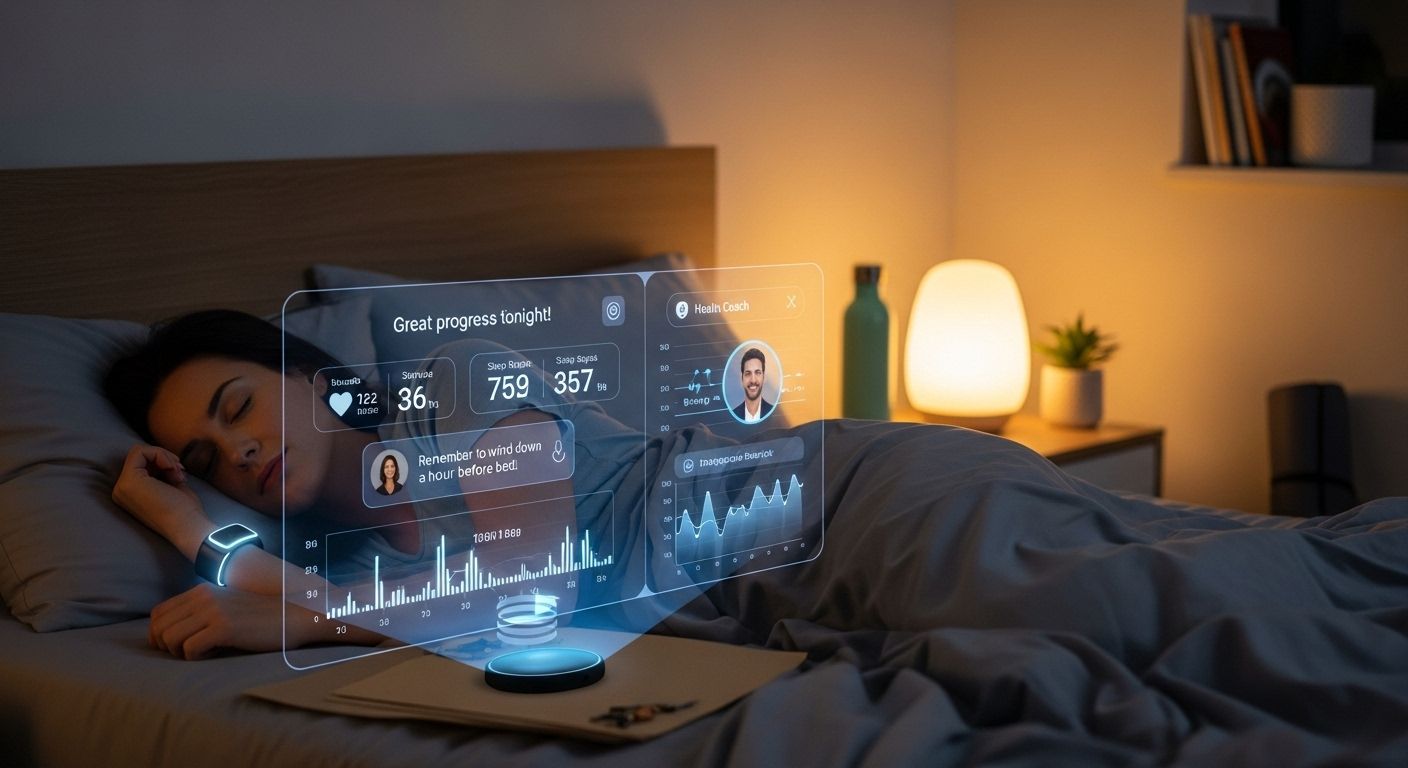
In today’s digital health landscape, the ability to transform sleep monitoring into actionable health outcomes is redefining the way coaches, nutritionists, and dietitians support their clients. With the rise of advanced digital health tools, telehealth support, and integrated client dashboards, a new coaching revolution is underway — one that empowers professionals to optimize lifestyle, address sleep anxiety, and improve autonomic nervous system (ANS) balance for lasting results.
The Sleep Data Revolution: Why It Matters
Sleep is foundational to health, performance, and well-being. Yet, nearly 40% of Gen Z adults experience sleep anxiety at least three times a week, and the average adult gets less than seven hours of sleep per night — well below recommended levels. This chronic sleep deficit is linked to increased risks of depression, cardiovascular disease, and diminished productivity (CDC).
Digital health tools have emerged as a solution, enabling coaches to track, analyze, and act on sleep data from wearables like Oura, Garmin, Fitbit, and Apple Health. These insights are now central to lifestyle optimization, helping clients break the cycle of poor sleep and chronic stress.
From Data to Action: The Role of Digital Health Tools
Cross-Device Sleep Monitoring
Modern platforms like Ownership.Health merge and organize data from multiple devices, providing a comprehensive view of each client’s sleep patterns, HRV, and overall health. This cross-device sync eliminates data silos and ensures coaches always have the full picture.
AI Copilot and Custom Coaching Assistants
AI-powered coaching is no longer a futuristic concept — it’s a daily reality. AI copilots decode trends, flag key changes, and suggest next steps, saving hours of manual analysis. Custom AI assistants, trained on a coach’s unique style, can chat with clients, summarize progress, and recommend habits, keeping engagement high between sessions.
“Digital health coaching is not merely a passing trend but a valuable tool for transforming modern healthcare.” — Mahalo Health Insights
Secure Telehealth Support
Built-in, encrypted video calls enable coaches to meet clients directly on the platform, ensuring privacy and compliance with GDPR and HIPAA. This seamless telehealth support increases access and accountability, especially for clients in remote or underserved areas.
Client Dashboards: Visualizing Progress
Clean, visual client dashboards and reports help communicate progress, build trust, and support data-driven decision-making. Coaches can export data as PDF or CSV, making it easy to share insights or maintain records.
Addressing Sleep Anxiety and Orthosomnia
The rise of sleep monitoring has brought new challenges, including orthosomnia — an obsession with perfect sleep metrics. Over-monitoring can sometimes worsen sleep anxiety, leading to a paradoxical decline in sleep quality (Journal of Clinical Sleep Medicine).
Best practice: Focus on relaxation and realistic sleep goals, rather than perfection. Cognitive behavioral therapy for insomnia (CBT-I) and digital detox strategies are recommended by the American Academy of Sleep Medicine to address these issues.
Lifestyle Optimization Through Data Integration
Integrating sleep data with nutrition, training, mood, and biomarker tracking provides a holistic view of client health. This enables coaches to:
- Identify patterns between sleep, stress, and performance
- Tailor interventions for metabolic health, weight management, or hormonal balance
- Support sustainable lifestyle changes with real-time feedback
Hybrid coaching models — combining human expertise with AI insights — are especially effective for engagement and long-term success (Nature Digital Medicine).
ANS Balance: The Next Frontier
Monitoring heart rate variability (HRV) via wearables is now a standard practice for assessing ANS balance. Coaches can use this data to guide interventions that improve HRV through sleep optimization, stress reduction, and relaxation techniques. Improved ANS balance is associated with better resilience, recovery, and overall health (Harvard Health).
Regulations and Guidelines: Staying Compliant
Government guidelines and professional organizations increasingly support the use of telehealth and digital health tools for sleep and stress management. Platforms must ensure compliance with data privacy regulations, such as GDPR and HIPAA, and prioritize client data ownership and security.
Real-World Impact: Case Studies and Outcomes
Meta-analyses published in 2024–2025 confirm that digital health coaching — including sleep hygiene education and app-supported interventions — leads to significant improvements in stress, mood, and sleep quality. Coaches using integrated dashboards and telehealth support report higher client engagement and better health outcomes (Sleep Foundation).
Summary Table: Emerging Tools & Strategies
Tool/Strategy | Purpose/Benefit | Evidence/Outcome |
|---|---|---|
Sleep tracking wearables | Monitor sleep stages, duration, HRV | Improved sleep hygiene, ANS balance |
AI-powered coaching apps | Personalized sleep interventions | Enhanced engagement, better outcomes |
Client dashboards | Real-time data integration, feedback | Tailored recommendations, accountability |
Telehealth support | Remote coaching, education | Increased access, sustained change |
CBT-I & digital detox | Address sleep anxiety, orthosomnia | Reduced stress, improved sleep |
Best Practices for Coaches
- Embrace digital health tools and sleep data integration for personalized, evidence-based coaching.
- Address sleep anxiety and orthosomnia by focusing on relaxation and achievable goals.
- Leverage client dashboards and telehealth platforms to monitor progress and optimize interventions.
- Prioritize data privacy and ownership to build trust and empower clients.
FAQ
How can sleep monitoring improve coaching outcomes?
Sleep monitoring provides objective data on sleep quality, duration, and patterns, enabling coaches to tailor interventions for better health, performance, and recovery.
What is ANS balance, and why is it important?
ANS (Autonomic Nervous System) balance refers to the equilibrium between the sympathetic and parasympathetic nervous systems. Monitoring HRV helps assess this balance, guiding interventions for stress reduction and resilience.
How do digital health tools support lifestyle optimization?
Digital health tools integrate data from multiple sources, providing a holistic view of client health. This enables coaches to identify trends, personalize recommendations, and support sustainable behavior change.
Are there risks to over-monitoring sleep data?
Yes. Over-monitoring can lead to orthosomnia and increased sleep anxiety. Coaches should encourage clients to focus on overall well-being rather than perfect metrics.
How does Ownership.Health ensure data privacy?
Ownership.Health ensures clients own their data, with no third-party reselling or platform lock-in. The platform is GDPR and HIPAA-compliant, with full data export options.
Conclusion
The coaching revolution is here: by turning sleep data into actionable health outcomes, coaches can deliver more effective, individualized support. Platforms like Ownership.Health empower professionals to work smarter, not harder — leveraging sleep monitoring, lifestyle optimization, telehealth support, digital health tools, client dashboards, and ANS balance to drive real results.
Further Reading:
- CDC Sleep and Sleep Disorders
- Journal of Clinical Sleep Medicine
- Nature Digital Medicine
- Harvard Health: Heart Rate Variability
- Ownership.Health