
 31.08.2025a year ago
Transforming Health Coaching Through Remote Support
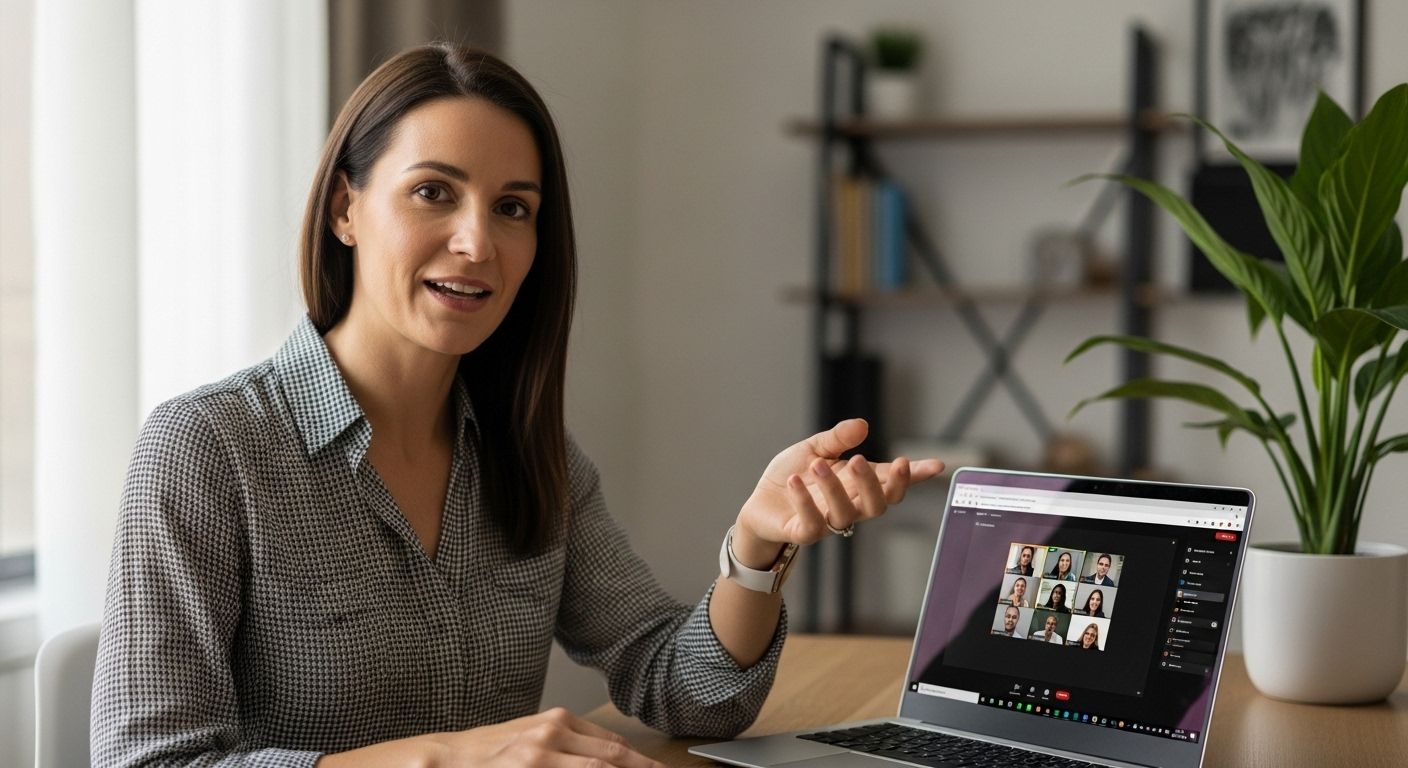
Remote coaching is rapidly redefining the landscape of health coaching, empowering professionals to deliver more personalized, data-driven, and accessible care than ever before. Leveraging advances in movement tracking, calorie monitoring, telehealth support, autonomic nervous system (ANS) balance, and circadian health, remote coaching platforms like Ownership.Health are equipping coaches, nutritionists, and dietitians to work smarter, not harder.
The Digital Health Coaching Boom: Key Facts & Market Trends
The digital health coaching market is experiencing explosive growth, projected to surge from $10.8 billion in 2024 to $34.4 billion by 2034 — a robust 14.9% compound annual growth rate (CAGR). The health coaching apps segment alone is expected to reach $10.5 billion by 2035, fueled by the integration of wearables, telehealth, and AI-driven insights (source).
This momentum is not a fleeting trend. The pandemic accelerated the adoption of remote and hybrid coaching models, and ongoing demand for mental health and chronic disease management is cementing digital-first approaches as the new standard (source).
How Remote Coaching is Revolutionizing Core Health Domains
Movement Tracking: Real-Time, Objective Insights
Wearables such as Oura, Garmin, Fitbit, and Apple Health now provide continuous streams of accelerometer and heart rate data. Coaches can quantify daily steps, activity intensity, and even VO2max proxies, allowing for real-time feedback and behavioral nudges. This objective movement tracking replaces episodic self-reporting, making it easier to identify trends and intervene early.
Value for Coaches:
- Automated progress tracking reduces manual data entry.
- Instant feedback enables micro-adjustments to client routines.
- Centralized dashboards (like those at Ownership.Health) merge data from multiple devices for a holistic view.
Calories & Nutrition: Dynamic, Personalized Guidance
Remote coaching platforms now combine food logging with wearable-derived energy expenditure estimates. AI-powered tools surface real-time feedback on calorie intake and macronutrient balance, allowing coaches to set dynamic targets and deliver habit coaching tailored to each client’s needs.
Value for Coaches:
- Personalized calorie and macro targets based on live data.
- Automated reminders and habit suggestions keep clients engaged.
- Data-driven adjustments improve adherence and outcomes.
Telehealth Support: Scalable, Secure, and Convenient
Telehealth has become a cornerstone of modern health coaching. Secure, encrypted video calls and asynchronous chat allow for frequent, personalized touchpoints — without the logistical barriers of in-person visits. This model is especially effective for chronic condition management and ongoing behavioral support (CDC Telehealth Guidance).
Value for Coaches:
- GDPR and HIPAA-compliant video calls ensure privacy and trust.
- Flexible scheduling increases client access and satisfaction.
- Scalable support enables coaches to manage larger client panels.
ANS Balance: Monitoring Stress and Recovery
Wearables now estimate heart rate variability (HRV) and resting heart rate, providing actionable insights into clients’ stress loads and recovery status. Coaches can remotely monitor ANS balance and adjust training or lifestyle interventions accordingly.
Value for Coaches:
- Early detection of overtraining or stress via HRV trends.
- Personalized recovery protocols based on live biomarker data.
- Objective stress management supports holistic health outcomes.
Circadian Health: Optimizing Sleep and Daily Rhythms
Sleep staging and timing data from consumer devices help coaches align exercise, meal timing, and light exposure to support circadian health. Regular sleep patterns are linked to improved metabolic, hormonal, and mental health (Sleep Foundation).
Value for Coaches:
- Sleep regularity tracking for better recovery and performance.
- Circadian-aware habit suggestions improve client outcomes.
- Automated prompts help clients maintain healthy routines.
Integration of Wearable Data: The Power of Centralization
Modern platforms like Ownership.Health aggregate data from Apple Health, Fitbit, Garmin, and more, providing a unified dashboard for coaches. This centralization streamlines workflows, reduces data fragmentation, and enables AI-driven insights that save hours of manual analysis.
Value for Coaches:
- Unified client dashboards for easy progress reviews.
- Automated trend analysis and next-step suggestions.
- Exportable reports for sharing with clients or healthcare partners.
Benefits for Health Coaches, Nutritionists, and Dietitians
- Higher touch at lower cost: Automated reminders, remote check-ins, and AI triage allow for more frequent, personalized support without increasing workload.
- Objective, continuous tracking: Data from wearables and apps provides a reliable foundation for progress monitoring and early intervention.
- Expanded scope and outcomes: Telehealth and remote monitoring enable coaches to support clients with chronic conditions, aligning with preventive care and value-based reimbursement models.
- Business growth: Rising demand for remote, personalized coaching opens new revenue streams, including partnerships with employers and insurers.
Challenges and Best Practices
Key Challenges
- Data overload: Coaches must filter noisy wearable metrics and reconcile calorie estimates with food logs.
- Privacy and consent: Transparent data policies are essential for client trust and regulatory compliance.
- Engagement and adherence: Sustaining client participation in logging and device use requires thoughtful behavioral design.
- Integration fragmentation: Multiple devices and platforms can complicate workflows without robust interoperability.
Best Practices
- Standardize core metrics: Focus on steps, active minutes, HRV, sleep regularity, and calorie/macro targets.
- Leverage AI for triage: Let algorithms flag anomalies and automate micro-coaching, reserving human touchpoints for complex issues.
- Align communication cadence: Adjust feedback frequency based on metric volatility (e.g., daily for steps, weekly for weight).
- Build privacy by design: Use explicit consent, minimal data collection, and clear client communication.
- Embed telehealth routines: Combine asynchronous check-ins with periodic video consults for comprehensive support.
Future Trends: What’s Next for Remote Coaching?
- AI Copilots: Platforms will increasingly auto-generate weekly plans and habit suggestions, supervised by coaches.
- Multimodal sensing: Broader use of HRV, skin temperature, SpO2, and gait analysis will refine stress and recovery insights.
- Circadian-aware programs: Coaching will optimize light, meal timing, and exercise based on chronotype and sleep data.
- Value-based care integration: Closer ties to clinical care and payer programs will drive measurable ROI for chronic condition management.
- Global expansion: As data protection frameworks mature, remote coaching will reach new regions and populations.
FAQ: Remote Coaching in Health & Performance
Q: How does remote coaching improve movement tracking? A: By leveraging continuous wearable data, coaches can monitor steps, activity intensity, and adherence in real time, enabling timely feedback and behavior adjustments.
Q: Can remote coaching help with calorie management? A: Yes. Platforms combine food logs with wearable energy expenditure estimates, allowing for dynamic, personalized calorie and macro targets.
Q: Is telehealth support secure and compliant? A: Leading platforms offer encrypted, GDPR and HIPAA-compliant video calls and messaging, ensuring client privacy and data security.
Q: How does remote coaching address ANS balance and circadian health? A: Wearables provide HRV and sleep data, enabling coaches to monitor stress, recovery, and sleep regularity, and to tailor interventions accordingly.
Q: What are the main challenges of remote coaching? A: Data overload, privacy concerns, client engagement, and integration fragmentation are key challenges. Best practices include standardizing metrics, leveraging AI, and prioritizing privacy.
Take Control of Your Coaching Future
Remote coaching is not just a technological upgrade — it’s a paradigm shift that empowers health professionals to deliver continuous, personalized, and scalable care. By embracing platforms like Ownership.Health, coaches, nutritionists, and dietitians can harness the full potential of movement tracking, calorie management, telehealth support, ANS balance, and circadian health to drive better outcomes for every client.
For more on digital health coaching and best practices, explore these resources:
- CDC Telehealth Guidance
- Sleep Foundation: Sleep & Health
- NIH: Wearable Technology and Health
- Global Digital Health Coaching Market Report
Ready to transform your coaching practice? Discover how Ownership.Health can help you deliver results at scale — without the overwhelm.