
/
Blog/
Privacy of Fitness Tracker Data: The Key to Client Trust and Better Outcomes/
 28.07.2025a year ago
Privacy of Fitness Tracker Data: The Key to Client Trust and Better Outcomes
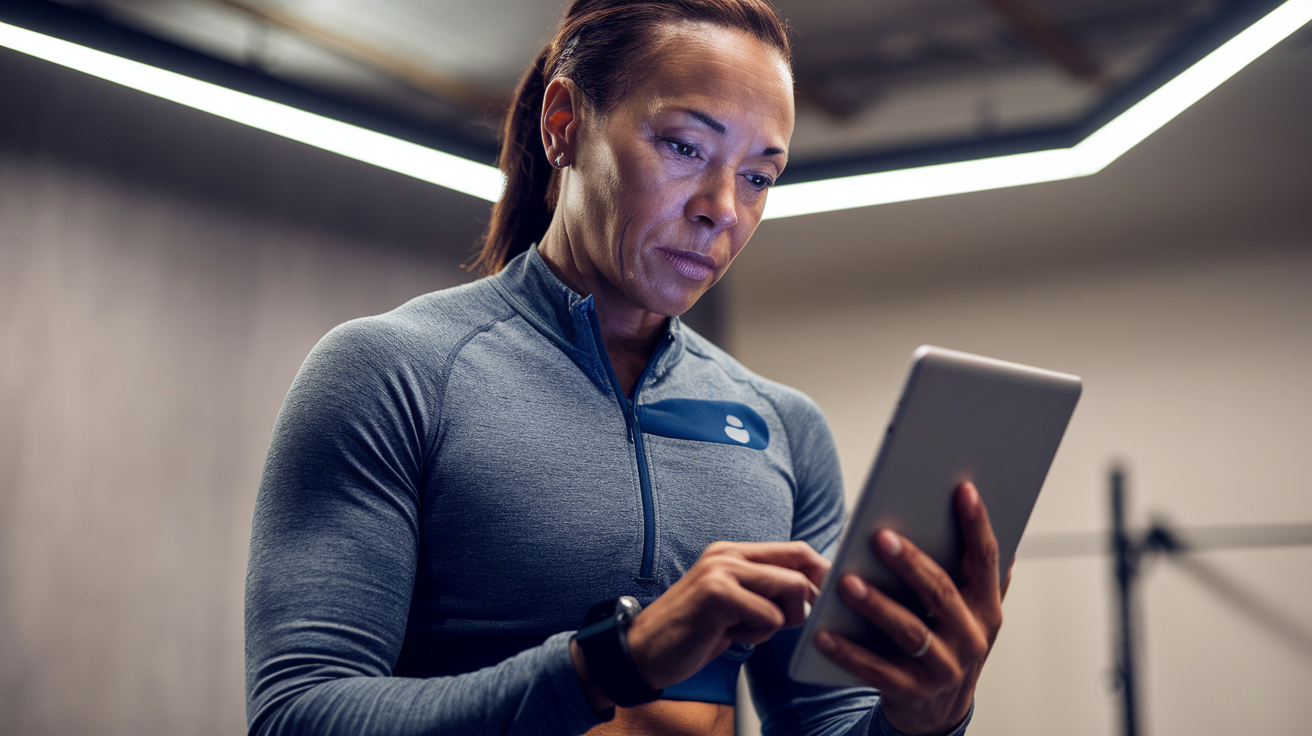
When clients share their fitness tracker data, they’re placing deep trust in you. That’s why, for today’s coaches, nutritionists, and dietitians, privacy isn’t just a technical box to check — it’s the key to stronger relationships and better results. Wearables and health apps offer powerful tools, but only when their data is handled with care.
Why Privacy of Fitness Tracker Data Matters
Fitness trackers and health apps now permeate the lives of millions, capturing sensitive information like heart rate, sleep patterns, location, and even mood. According to recent studies, about 30–35% of U.S. adults use fitness wearables, and 40% use health apps. Yet, despite the potential for personalized care, only 43% of users have shared their data with healthcare providers — primarily due to privacy concerns.
Trust is the currency of modern coaching. When clients know their data is safe, they’re more willing to share insights that can drive better, more personalized outcomes. Conversely, high-profile breaches — such as the 2021 exposure of 61 million records from Fitbit and Apple devices — have fueled skepticism and reluctance.
The Regulatory Landscape: HIPAA, GDPR, and the Gaps
HIPAA: Limited Protection in the U.S.
Many coaches assume that fitness tracker data is protected under HIPAA, but this is often not the case. HIPAA only applies when data is handled by covered entities like healthcare providers or insurers. Most consumer health apps and wearables fall outside this scope, leaving a significant gap in legal protection.
GDPR: A Higher Standard in the EU
The European Union’s General Data Protection Regulation (GDPR) sets a higher bar, requiring explicit consent for data collection and giving users rights to access, correct, and delete their data. However, enforcement can be inconsistent, especially for companies operating outside the EU.
Key takeaway: Current laws are inconsistent and often inadequate. Experts predict that stricter regulations and privacy-first designs will become the norm as public demand for data protection grows.
For more on data privacy regulations, see the U.S. Department of Health & Human Services and GDPR guidelines.
The Risks: Breaches, Misuse, and Psychological Impact
Data Breaches
Sensitive health data is a prime target for hackers. Breaches can expose personal and biometric information, leading to identity theft, insurance discrimination, or worse. The 2021 breach affecting Fitbit and Apple users is a stark reminder of these risks.
Lack of Legal Protection
With most fitness data unprotected by HIPAA, users may not realize how their information is being used or shared. This ambiguity erodes trust and can deter clients from fully engaging with digital health tools.
Psychological Impact
Behavioral health experts warn that constant self-tracking can increase anxiety and unhealthy fixation on metrics. Coaches must help clients use data as a tool for growth, not a source of stress or guilt.
For insights on the psychological impact of self-tracking, see this Harvard Health article.
The Benefits: Personalized Care and Stronger Relationships
When managed securely, fitness tracker data can revolutionize coaching:
- Personalized, data-driven insights: Objective data helps coaches tailor recommendations and track progress with precision.
- Motivation and engagement: Real-time feedback keeps clients accountable and inspired.
- Improved outcomes: Data-driven coaching leads to better health, performance, and client satisfaction.
A recent survey found that 94% of users are willing to share their data with healthcare providers if they trust the platform’s privacy practices. This underscores the direct link between data privacy and coaching effectiveness.
Best Practices: How Coaches Can Prioritize Privacy
1. Choose Secure, Privacy-First Platforms
Select platforms that offer end-to-end encryption, transparent privacy policies, and compliance with GDPR or similar standards. At Ownership.Health, we’ve built privacy into every feature — clients own their data, and there’s no third-party reselling or platform lock-in.
2. Educate and Empower Clients
Transparency is key. Clearly explain how data will be used, stored, and protected. Obtain explicit, informed consent before accessing or sharing client data. This not only fulfills legal obligations but also builds confidence and loyalty.
3. Limit Data Collection to What Matters
Only collect data that is necessary for coaching goals. This minimizes risk and reassures clients that their privacy is respected.
4. Support Mental Well-being
Encourage clients to view data as a guide, not a judgment. Be alert for signs of data-related anxiety and help clients maintain a healthy relationship with self-tracking.
5. Offer Data Portability and Control
Empower clients with the ability to access, correct, and export their data at any time. This aligns with GDPR principles and reinforces trust.
For more on best practices, visit the Electronic Frontier Foundation’s guide to wearable privacy.
How Ownership.Health Sets a New Standard
At Ownership.Health, we understand that privacy of fitness tracker data is the foundation of effective, ethical coaching. Here’s how we help you deliver better outcomes while safeguarding client trust:
- Cross-Device Sync: Seamlessly connect devices like Oura, Garmin, Fitbit, Apple Health, and Withings. All data is merged, cleaned, and organized — giving you a complete, accurate picture without manual hassle.
- AI Copilot for Coaches: Our AI Copilot decodes trends, flags key changes, and suggests next steps — saving you hours and ensuring no detail is missed.
- Secure Video Calls: Meet clients directly on our platform with encrypted, GDPR and HIPAA-compliant video calls. No third-party links or apps.
- Custom AI Coaching Assistants: Create AI assistants trained on your unique coaching style, keeping clients engaged and supported between sessions.
- Habit & Health Tracking: Track sleep, nutrition, training, supplements, mood, energy, and more — instantly and securely.
- Glucose & Biomarker Monitoring: Monitor key health markers for data-driven nutrition and performance protocols.
- Client Dashboards & Reports: Visual, exportable reports help communicate progress and build trust.
- Data Privacy & Ownership: Clients own their data, with full export options and no third-party reselling.
By prioritizing privacy, you not only comply with regulations — you build lasting client relationships and set yourself apart in a crowded market.
Differentiation Through Privacy: Why It Matters
Platforms that implement privacy-by-design, offer user control, and communicate clearly about data use are poised to lead the industry. As Ted Sweetser of PurpleLab notes, “The more granular the personalization you are affecting, the greater the value you need to return.” In other words, the more data you ask for, the more you must give back in security, transparency, and results.
Prioritizing privacy is not just a legal or technical issue — it’s a foundation for trust and effective coaching. By choosing secure platforms, being transparent, and supporting clients’ mental well-being, coaches can differentiate themselves and deliver better, more ethical care in a data-driven world.
For more on privacy-by-design, see the International Association of Privacy Professionals.
Frequently Asked Questions
How does Ownership.Health protect client data?
We use end-to-end encryption, comply with GDPR and HIPAA where applicable, and never resell or share data with third parties. Clients have full control and can export their data at any time.
What makes Ownership.Health different from Apple Health or generic tracking apps?
Unlike generic apps, we offer cross-device sync, AI-powered insights, secure video calls, and customizable coaching assistants — all with a privacy-first approach. Clients own their data, and coaches get tools designed for professional use, not just consumer tracking.
How can I reassure clients about data privacy?
Be transparent about how data is used and protected. Use platforms like Ownership.Health that prioritize privacy, and always obtain explicit consent before accessing or sharing data.
Are there risks to using fitness trackers in coaching?
While fitness trackers offer valuable insights, data breaches and psychological impacts (like anxiety from over-monitoring) are real risks. Using secure platforms and supporting clients’ mental well-being can mitigate these issues.
Can clients export their data from Ownership.Health?
Yes. Clients can export their data as PDF or CSV at any time, ensuring full ownership and portability.
Empower your coaching practice with secure, data-driven tools that put privacy first. Discover how Ownership.Healthcan help you build trust, save time, and deliver better outcomes — without compromise.