
 27.08.2025a year ago
Calorie Data: A Game-Changer for Health Coaches
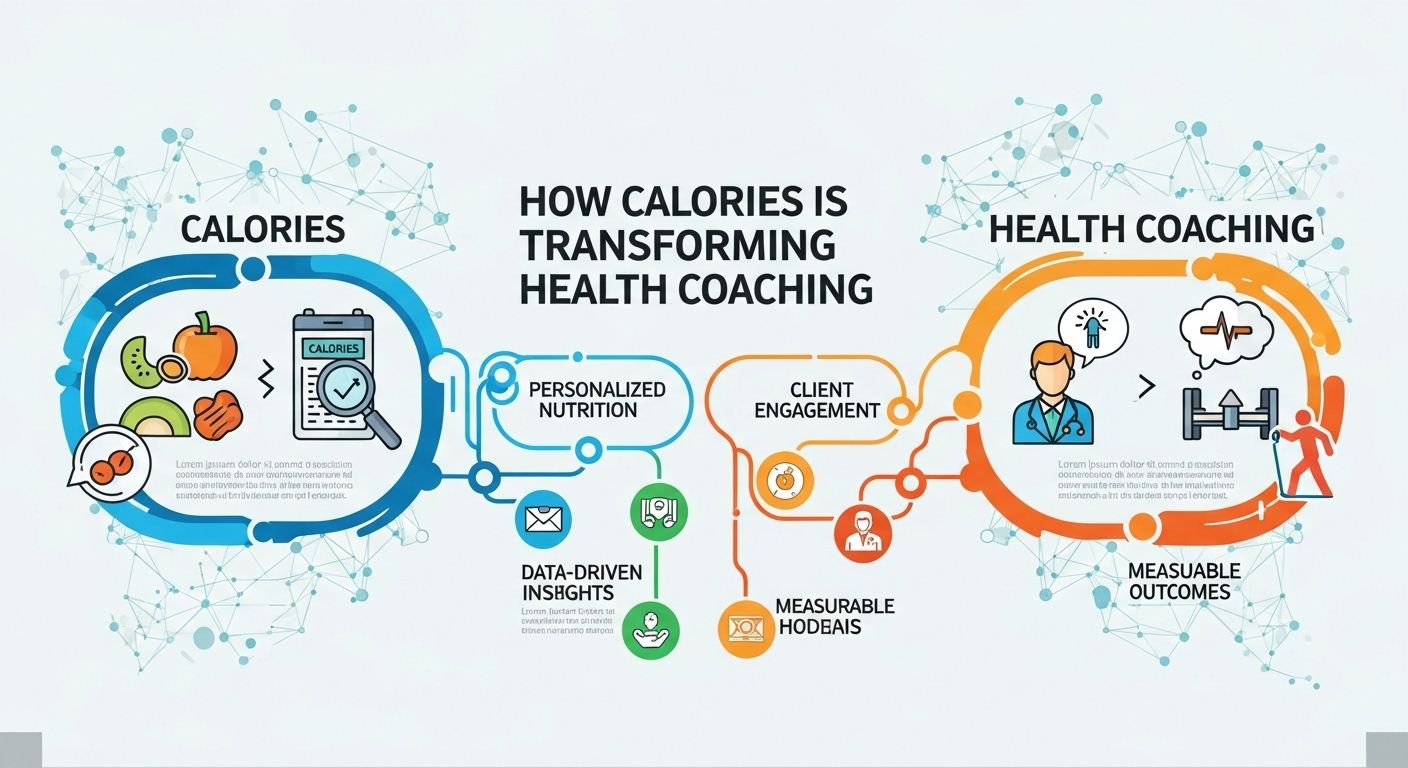
Calorie data has moved beyond just being a figure on a food label—it’s now a key element driving personalized wellness and digital coaching. Health and performance coaches, nutritionists, and dietitians are combining calorie tracking with advanced fitness analytics, step counts, and biometric measures like breathing rate and autonomic nervous system balance to deliver more precise results, expand their reach, and provide tailored support that truly makes a difference.
The Digital Health Coaching Boom
The global digital health coaching market is experiencing explosive growth, valued at over $11 billion in 2024 and projected to double by 2030 (source). This surge is fueled by the widespread adoption of wearables, telehealth, and the urgent need for scalable solutions to chronic conditions like obesity and diabetes. As a result, platforms like Ownership.Health are leading the way, offering seamless integration of calories, activity, and biometric data to empower coaches and their clients.
Why Calorie Data Matters More Than Ever
Calorie data has evolved from static meal plans to dynamic, real-time feedback loops. By merging dietary intake with wearable-derived energy expenditure, coaches can now:
- Personalize calorie targets based on daily activity and recovery.
- Automate feedback and micro-adjustments, keeping clients engaged and on track.
- Scale care without sacrificing quality, thanks to AI and remote monitoring.
Key Market Insights
- The digital health coaching market is expected to reach $22.1 billion by 2030, with a 12.5% CAGR (source).
- Integration with healthcare systems and preventive programs is opening new pathways for referrals and reimbursement.
- Platforms that combine calories, step tracking, breathing rate, and coaching workflows are reshaping professional practice.
How Calorie Data Integrates with Wearables and Fitness Analytics
Energy Balance Modeling
Wearables like Oura, Garmin, Fitbit, and Apple Health provide continuous streams of activity data — step counts, exercise logs, and even breathing rate. By pairing this with food logs, coaches can estimate net-calorie balance in real time, tailoring deficits or surpluses to each client’s unique needs.
Beyond Steps: The Power of Biometric Signals
Modern devices now capture cardiorespiratory metrics (heart rate, breathing rate) and ANS balance (autonomic nervous system indicators). These signals help estimate effort, recovery, and total daily energy expenditure, offering a more complete picture than steps alone.
Coaching Platforms: The New Command Center
Platforms like Ownership.Health aggregate data from multiple devices, clean and organize it, and present it in intuitive dashboards. This enables:
- Remote monitoring and timely nudges.
- Automated trend detection and habit suggestions via AI Copilot.
- Secure, GDPR/HIPAA-compliant video calls for seamless client communication.
Transforming the Coaching Experience
From Generic Advice to Precision Guidance
Gone are the days of one-size-fits-all calorie targets. Today’s coaches use real-time data to set individualized ranges that adapt to each client’s activity, recovery, and adherence. This shift leads to better outcomes and higher client satisfaction.
Higher Touch, Lower Cost
Telehealth and data-driven platforms allow for frequent micro-interventions — messages, goal tweaks, and check-ins — without the need for in-person visits. This expands your client base while maintaining accountability and engagement.
Integration with Healthcare Pathways
Health coaching is increasingly linked to formal healthcare systems and preventive programs. This opens doors for referrals, payer support, and broader impact, especially for chronic conditions like obesity and diabetes (CDC on digital health interventions).
Evidence-Based Practices for Calorie-Integrated Coaching
- Pair intake with expenditure: Use dietary logs and device-measured activity to set adaptive calorie targets. Adjust intake or deficits based on activity and recovery.
- Focus on adherence and behaviors: Platforms that emphasize accountability and frequent, data-driven touchpoints improve outcomes and convenience.
- Target chronic conditions: Structured digital coaching programs for obesity and diabetes that incorporate calibrated calorie tracking are a focal growth area.
Professional Advice for Implementing Calorie Data
- Choose a reliable platform: Use a system that ingests wearable calorie, heart rate, and breathing data alongside food logs. Make this your “single source of truth.”
- Define clear adjustment rules: For example, if weekly steps fall below target and weight stalls, reduce the calorie deficit by 100 kcal and add a 10-minute daily walk.
- Document for medical alignment: When coaching within healthcare pathways, document goals, weekly energy targets, and outcomes to fit preventive care requirements.
- Prioritize privacy: Explain consent, limit data sharing, and adopt compliant storage to build trust and meet regulatory standards (HIPAA guidelines).
Unique Insights: Making the Most of Calorie Data
- Precision vs. usefulness: Wearable calorie estimates are best for trend detection and timely adjustments, not single-day precision.
- Recovery-aware nutrition: Use breathing rate and heart-rate–based recovery indicators to guide rest-day fueling and carbohydrate periodization.
- Micro-calibration: Small weekly adjustments (100–200 kcal/day) based on weight, steps, and training load reduce metabolic compensation and drop-off.
- Contextual coaching: Tie feedback to current signals (“Higher breathing rate and lower steps suggest higher strain; maintain protein, shift carbs to training windows, and prioritize sleep”).
Data Privacy and Client Trust
With the rise of digital health, data privacy is more important than ever. Platforms must offer:
- Client data ownership and full export options.
- No third-party reselling or platform lock-in.
- Transparent consent and GDPR/HIPAA compliance.
Limitations and Considerations
- Device-derived calorie burn is an estimate: Use trend analysis and triangulate with weight and measurements.
- Regulatory and privacy friction: Plan for regional differences in data handling and scope of practice.
- Equity and access: Design programs with low-data modes and clear consent pathways to reach under-resourced populations (World Health Organization on digital health equity).
Why This Is Transformative
The convergence of calorie data, wearable telemetry, and telehealth workflows is turning nutrition coaching into a continuous, adaptive process. This approach meets clients where they are, improves adherence, enables early course-corrections, and integrates into broader healthcare and prevention programs as the market scales.
FAQ
How accurate is calorie data from wearables?
Wearable calorie estimates are directionally useful for tracking trends and making adjustments, but absolute accuracy can vary. The value lies in pattern detection and timely feedback, not single-day precision.
How does breathing rate and ANS balance fit into coaching?
Breathing rate and ANS balance (autonomic nervous system indicators) provide insights into recovery and stress. Coaches can use these signals to adjust nutrition and training, supporting better adherence and preventing overtraining.
What about data privacy and client ownership?
Platforms like Ownership.Health ensure clients own their data, with no third-party reselling and full export options. Always use platforms that are GDPR and HIPAA-compliant.
Can calorie data help with chronic conditions?
Absolutely. Digital coaching programs that integrate calorie tracking and biometric data are increasingly used for managing obesity, diabetes, and cardiovascular risk, aligning with healthcare system trends and preventive care initiatives.
How do I get started with calorie-integrated coaching?
Choose a platform that syncs with multiple devices, supports food logging, and offers AI-driven insights. Set clear protocols for data privacy, client consent, and regular review of trends and targets.
Ready to transform your coaching practice with data-driven precision? Discover how Ownership.Healthcan help you track calories, sync wearables, and deliver personalized wellness at scale.
For further reading:
- CDC: Diabetes Prevention Program
- WHO: Digital Health
- HIPAA Guidelines
- Digital Health Coaching Market Report