
 13.08.2025a year ago
How Wearable Tech Helps Manage Diabetes: A Game-Changer for Modern Coaches
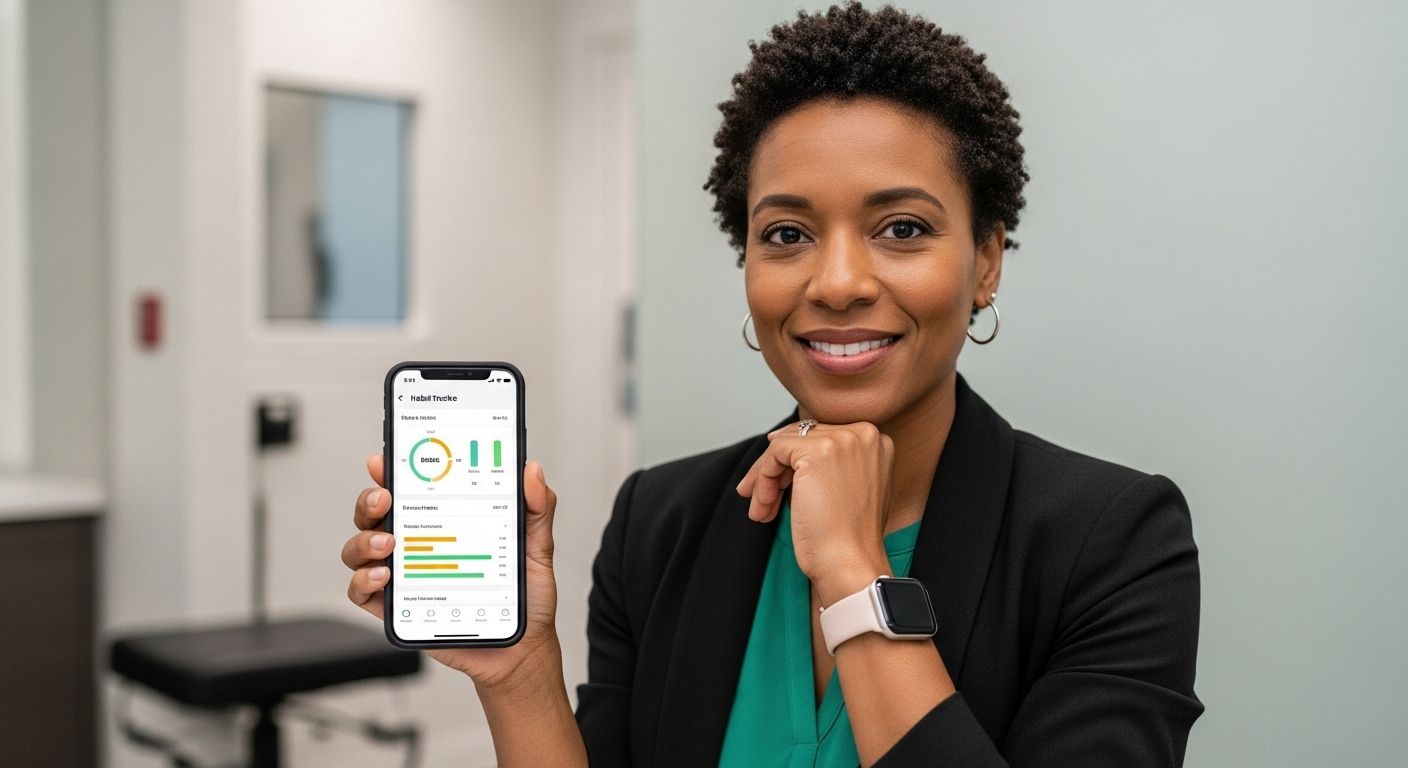
Wearable technology is rapidly changing the landscape of diabetes management. For health and performance coaches, nutritionists, and dietitians, these advancements offer a unique opportunity to deliver more personalized, data-driven, and scalable care. Here’s how wearable tech helps manage diabetes — and why platforms like Ownership.Health are leading the way for modern coaching professionals.
The Diabetes Challenge: Why Real-Time Data Matters
Diabetes affects over 500 million people worldwide, and this number is on the rise (WHO). Traditional management often relies on sporadic finger-prick tests and manual logs, making it difficult for coaches and clients to see the full picture or respond quickly to changes.
Continuous glucose monitors (CGMs) and other wearable biosensors now provide minute-by-minute glucose data, empowering both clients and coaches with real-time insights. This shift enables more precise interventions, reduces the risk of dangerous highs and lows, and supports better long-term outcomes (CDC).
How Wearable Tech Helps Manage Diabetes: Key Benefits for Coaches
1. Seamless Integration Across Devices
Modern wearables — like Oura, Garmin, Fitbit, Apple Health, and Withings — sync effortlessly with cloud platforms. This means coaches can access a client’s health data in real time, no matter which device they prefer. Platforms such as Ownership.Health take this a step further by merging, cleaning, and organizing data from multiple sources, giving you a comprehensive view of each client’s health journey.
2. Automation and AI: Less Admin, More Impact
One of the biggest challenges for coaches is sifting through mountains of data to find actionable insights. Advanced platforms now offer AI-driven analytics that flag dangerous trends, automate alerts, and suggest next steps. For example, Ownership.Health’s AI Copilot decodes client data, explains trends, and recommends interventions — saving hours of manual analysis and allowing you to focus on what matters most: coaching.
“Wearable biosensors are at the forefront of this transformation, enabling continuous glucose monitoring with unprecedented convenience and growing access.” — Diabetes Technology & Therapeutics
3. Personalized, Data-Driven Coaching
Wearable tech enables tailored advice on nutrition, exercise, and medication. Instead of generic recommendations, you can use real-time metrics to set and adjust personalized goals. Motivational tools — like achievement notifications and habit tracking — help keep clients engaged and accountable between sessions.
4. Collaborative, Secure, and Scalable Care
Ownership.Health’s built-in, encrypted video calls and secure data sharing make it easy to collaborate with clients and other healthcare providers. All interactions are GDPR and HIPAA-compliant, ensuring privacy and trust. Plus, features like custom AI coaching assistants and weekly AI-generated summaries allow you to scale your services without sacrificing personalization.
Addressing Common Objections: Why Coaches Hesitate — and How to Overcome It
Objection | Solution |
|---|---|
Data Overload | Use AI dashboards that highlight actionable trends and filter out noise. |
Privacy Concerns | Choose platforms with robust security and clear consent protocols. |
Technical Complexity | Select user-friendly platforms with strong onboarding and support for both coaches and clients. |
Device Adherence | Offer device options, address comfort issues, and use motivational tools to boost sustained use. |
Best Practice: Focus on platforms that automate routine feedback, integrate seamlessly with multiple devices, and provide clear, actionable insights.
How Ownership.Health Stands Apart
While generic apps like Apple Health offer basic tracking, Ownership.Health is purpose-built for professional coaches and their clients:
- Cross-Device Sync: All data is merged and organized for a complete health picture.
- AI Copilot: Automated trend analysis and next-step suggestions save you hours.
- Custom AI Coaching Assistants: Personalize engagement and support at scale.
- Glucose & Biomarker Monitoring: Track key metrics for metabolic, performance, or hormonal coaching.
- Client Dashboards & Reports: Clean, visual reports build trust and make progress easy to communicate.
- Data Privacy & Ownership: Clients own their data, with full export options and no third-party reselling.
Explore more about these features at Ownership.Health.
Best Practices for Using Wearable Data in Coaching
- Prioritize Actionable Insights: Don’t overwhelm clients with raw data. Focus on trends and outliers that inform real decisions.
- Integrate Data into Goal-Setting: Use real-time metrics to set, monitor, and adjust personalized goals.
- Automate Routine Feedback: Let the platform handle reminders, alerts, and motivational messages.
- Collaborate with Healthcare Providers: Align your recommendations with clinical care plans for holistic support.
- Educate Clients: Help clients understand their data and the impact of lifestyle choices, fostering long-term engagement.
Regulatory and Clinical Guidelines
Recent guidelines from organizations like the American Diabetes Association and NHS now recommend CGMs for a broader range of patients, emphasizing integration with digital health records and remote care. This shift underscores the importance of platforms that can securely handle and interpret wearable data for both clients and professionals.
Unique Insights: The Future of Diabetes Coaching
- Wearables are most effective when integrated into a broader coaching and clinical ecosystem — not used in isolation.
- Sustained engagement requires addressing both technical and behavioral barriers, including device comfort, data fatigue, and ongoing education.
- Platforms like Ownership.Health that combine integration, automation, and personalized coaching are best positioned to drive improved outcomes and professional efficiency.
FAQ: How Wearable Tech Helps Manage Diabetes
Q: What types of wearable tech are most useful for diabetes management? A: Continuous glucose monitors (CGMs) are the gold standard, but fitness trackers, smartwatches, and biosensors that monitor activity, sleep, and heart rate also provide valuable context for holistic coaching.
Q: How do I ensure client data privacy when using wearables? A: Use platforms with robust security, clear consent protocols, and compliance with regulations like GDPR and HIPAA. Ownership.Health is designed with these standards in mind.
Q: Can wearable data replace traditional diabetes management methods? A: Wearable data enhances traditional methods by providing real-time, actionable insights, but should be used in conjunction with clinical care and professional guidance.
Q: How do I keep clients engaged with their devices? A: Address comfort and usability concerns, offer device options, and use motivational tools like habit tracking and achievement notifications.
Q: What if my clients already use Apple Health or another app? A: Ownership.Health integrates with popular devices and apps, but adds advanced features like AI-driven insights, secure video calls, and personalized coaching workflows — making it a more powerful tool for professional coaching.
Conclusion
Wearable tech is transforming diabetes management by enabling real-time, personalized, and automated care. For coaches, nutritionists, and dietitians, leveraging advanced platforms like Ownership.Health means you can deliver better outcomes, save time, and elevate your services above generic tracking apps. Embrace the future of coaching — empower your clients, streamline your workflow, and make data-driven progress together.
References:
- WHO: Diabetes
- CDC: Tracking Blood Glucose
- Diabetes Technology & Therapeutics
- American Diabetes Association: Diabetes Technology
- NHS: Diabetes