
 24.08.2025a year ago
How to Organize Health Metrics for Coaching Success
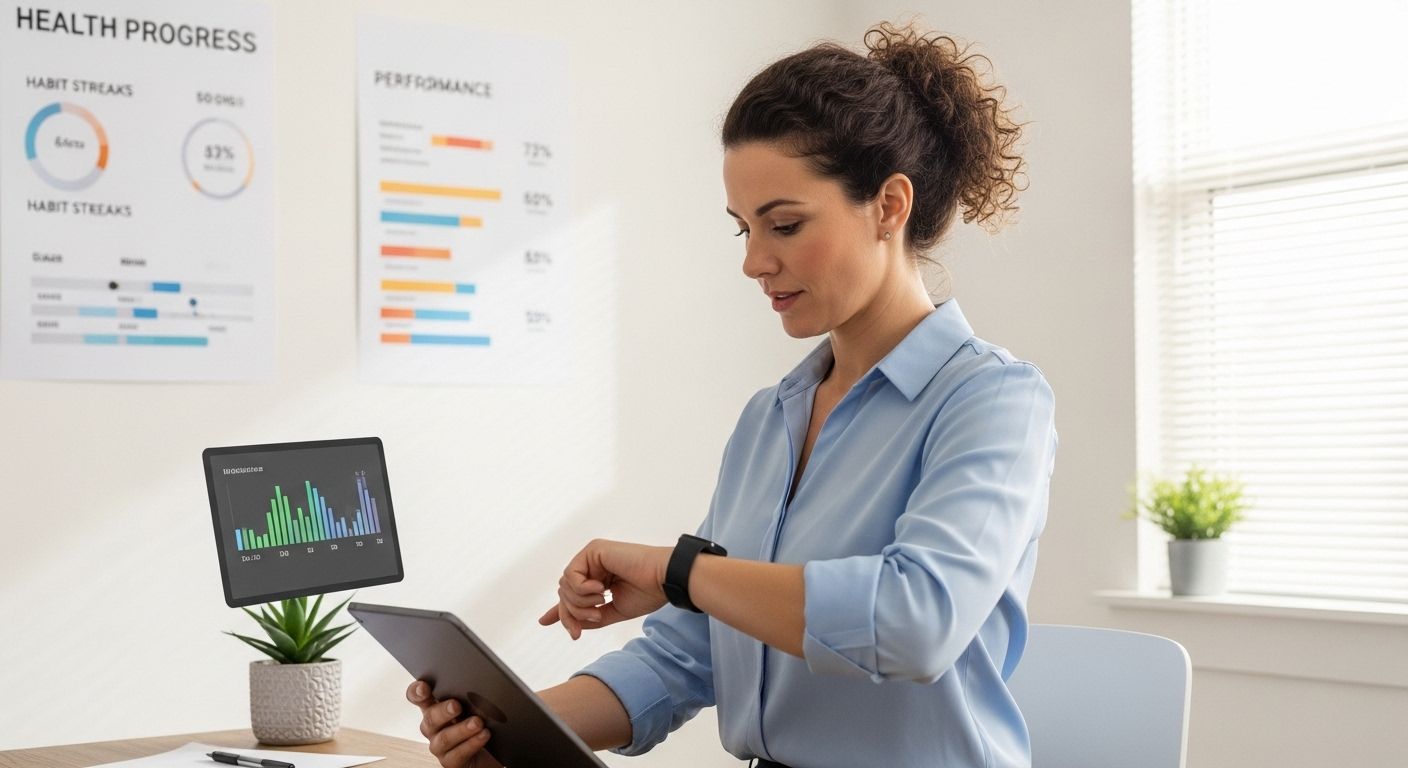
For health and performance coaches, nutritionists, and dietitians, knowing how to organize health metrics is the difference between guesswork and transformative results. With the explosion of digital health data from wearables, labs, and self-logs, the challenge isn’t collecting information — it’s turning it into actionable insights that drive client progress, save time, and scale your impact. Here’s how to master health data organization using Ownership.Health, the all-in-one platform built for modern coaching.
Why Organizing Health Metrics Matters
Centralizing and structuring client health data is no longer optional. According to recent studies, coaches who use integrated platforms to track and analyze health metrics see improved client outcomes, higher retention, and greater efficiency compared to those relying on spreadsheets or generic apps (CDC, NIH). The key is to move beyond raw logs and create a system that connects the dots between behaviors, biomarkers, and goals.
The Foundations: What Health Metrics Should You Track?
A professional approach to health metric organization starts with identifying the most impactful data points for your clients’ goals. Here’s what the experts recommend:
- Biomarkers & Labs: Blood pressure, lipid panel, fasting glucose, HbA1c, insulin. Group these by program focus (e.g., metabolic health, performance) and compare pre/post intervention.
- Body Composition: Weight, BMI, waist circumference, body fat percentage. Use rolling averages to filter out daily fluctuations.
- Activity & Recovery: Steps, active minutes, exercise sessions, resting heart rate (RHR), heart rate variability (HRV), VO2max. Link these to sleep and performance trends.
- Nutrition: Macro/micronutrients, fiber, sodium, protein timing. Use standardized analysis for accuracy.
- Sleep: Duration, efficiency, latency. Relate sleep data to next-day energy and recovery.
- Subjective Outcomes: Mood, energy, hunger, GI symptoms, pain. Correlate with nutrition and training for personalized plans.
- Engagement & Adherence: Log compliance, appointment attendance, response times. These are leading indicators of client success.
- Program KPIs: Completion rates, retention, Net Promoter Score (NPS), ROI for corporate clients.
Source: Academy of Nutrition and Dietetics, CDC
The Modern Solution: Centralized, Purpose-Built Platforms
Generic tracking apps like Apple Health or Fitbit are designed for consumers, not professionals. They collect data, but lack the analytics, compliance, and workflow tools needed for coaching at scale. Here’s how Ownership.Health stands apart:
Cross-Device Sync
Connect Oura, Garmin, Fitbit, Apple Health, Withings, and more. All data is merged, cleaned, and organized, giving you a comprehensive view without manual entry or data silos.
AI Copilot for Coaches
Our AI Copilot decodes trends, flags key changes, and suggests next steps — saving you hours of manual analysis. It’s like having a data scientist on your team, 24/7.
Custom AI Coaching Assistants
Train your own AI assistant to match your coaching style. It can chat with clients, summarize progress, suggest habits, and keep engagement high between sessions.
Secure Video Calls & Messaging
Meet clients directly on the platform with encrypted, HIPAA/GDPR-compliant video calls. No third-party apps, no privacy worries.
Habit & Health Tracking
Track sleep, nutrition, training, supplements, mood, and more. Instant, organized insights help you spot trends and intervene early.
Glucose & Biomarker Monitoring
Monitor glucose and other biomarkers for metabolic, performance, or hormonal coaching — ideal for data-driven protocols.
Client Dashboards & Reports
Visual, exportable reports make it easy to communicate progress and build trust. Share data as PDF or CSV for transparency.
Data Privacy & Ownership
Clients own their data. No reselling, no lock-in, full export anytime. This builds trust and meets the highest privacy standards.
Learn more: Ownership.Health
Best Practices: How to Organize Health Metrics for Maximum Impact
1. Intake & Onboarding
Start with customizable forms that collect goals, medical history, device connections, and baseline metrics in one seamless process. Use e-signatures and telehealth-informed consent to ensure compliance and save time.
2. Goal-Based Metric Packs
Assign preset metric packs (e.g., “Metabolic Health,” “Performance”) that automatically pull relevant data and set check-in cadences. This standardizes care while allowing for personalization.
3. Automated Insights & Nudges
Leverage AI to generate weekly insights that tie nutrition and training to physiological signals like HRV and sleep. Automated reminders fill in logging gaps and keep clients engaged.
4. Periodic Reviews & Reporting
Export concise progress reports monthly, comparing pre/post biomarkers and adherence. Share with clients and, if relevant, corporate stakeholders to demonstrate ROI.
5. Team Operations & Scaling
Share templates and protocols across practitioners. Use structured chat and tasks to close feedback loops quickly and maintain consistent quality as your practice grows.
Overcoming Common Challenges
Data Fragmentation
Solution: Centralize all data streams — wearables, labs, logs — into a single dashboard with custom biomarker groups and timeline views.
Noisy or Inaccurate Food Data
Solution: Use clinician-grade food databases and guided recall reports. Set minimum logging standards and spot-check entries for accuracy.
Time-Consuming Reporting
Solution: Automate nutrition and progress reports. Create reusable templates for different program types.
Client Engagement Drop-Off
Solution: Use integrated messaging, reminders, and structured check-ins. Monitor engagement metrics as early warning signals.
Scaling Consistent Quality
Solution: Employ standardized templates, protocols, and permissions. Multi-practitioner support ensures consistent delivery.
Proving ROI to Stakeholders
Solution: Tie biometric and behavior changes to participation and program KPIs. Present pre/post dashboards and engagement stats.
The Power of AI and Automation in Coaching
AI isn’t just a buzzword — it’s a force multiplier for health professionals. Here’s how automation transforms your workflow:
- Insight Generation: Automatically detect relationships between behaviors (food, training) and physiological signals (RHR, HRV, sleep) to guide targeted interventions.
- Admin Reduction: Automated dietary analysis, recall reports, and documentation templates free up hours each week.
- Personalization at Scale: Goal-based metric packs, smart nudges, and adaptable care plans let you serve more clients without sacrificing quality.
For more on AI in health coaching, see Harvard Health.
Data Privacy, Compliance, and Client Trust
Trust is the foundation of any coaching relationship. That’s why Ownership.Health is built with:
- HIPAA, GDPR, and CCPA Compliance: Secure frameworks and optional Business Associate Agreements (BAA) for regulated practices.
- Informed Consent and Documentation: Telehealth-informed consent and pre-loaded assessment templates standardize compliance.
- Access Control and Data Portability: Role-based access for teams and easy data export options for clients.
For more on health data privacy, visit HHS.gov.
Practical Setup Checklist
- Choose a Provider Platform: Centralize labs, nutrition, wearables, and messaging. Support custom biomarker groups and analytics.
- Define Program Templates: Create 3-5 templates (metabolic, performance, weight) with metric packs, alert thresholds, and reporting formats.
- Establish Compliance Workflows: E-sign intake, informed consent, privacy notice. Set data retention and secure messaging policies.
- Implement Weekly Automation: Auto-reports, reminders, and engagement flags. Monthly outcome summaries for clients and stakeholders.
- Train Your Team: Shared protocol library, documentation standards, and escalation pathways. Align on KPIs for outcomes and operations.
FAQ: How to Organize Health Metrics
Q: Why not just use Apple Health or Fitbit? A: Consumer apps are great for personal tracking, but lack the analytics, compliance, and workflow tools needed for professional coaching. Ownership.Health centralizes data, adds AI insights, and supports compliance — saving you time and elevating your service.
Q: How do I ensure data privacy for my clients? A: Use platforms with HIPAA/GDPR compliance, secure messaging, and clear data ownership policies. Ownership.Health is built for privacy and transparency.
Q: What if my clients use different wearables? A: Ownership.Health syncs with Oura, Garmin, Fitbit, Apple Health, Withings, and more — merging all data for a unified view.
Q: How can I save time on reporting? A: Automate nutrition analysis, progress reports, and reminders. Use templates and AI-generated insights to streamline your workflow.
Q: How do I prove the value of my coaching to clients or employers? A: Track and report on biometric, behavioral, and engagement metrics. Share visual, exportable reports that clearly show progress and ROI.
Conclusion
Knowing how to organize health metrics is the foundation of modern, data-driven coaching. With Ownership.Health, you can centralize data, automate insights, ensure compliance, and scale your impact — delivering better outcomes for every client, every time.
Ready to work smarter, not harder? Discover more at Ownership.Health.
References & Further Reading:
- CDC: National DPP Evaluation Standards
- Academy of Nutrition and Dietetics: Health Informatics
- NIH: Health Coaching and Diabetes
- Harvard Health: AI in Health Care
- HHS.gov: HIPAA Privacy Rule