
 13.08.2025a year ago
Cost of Storing Wearable Health Data: What Coaches Need to Know
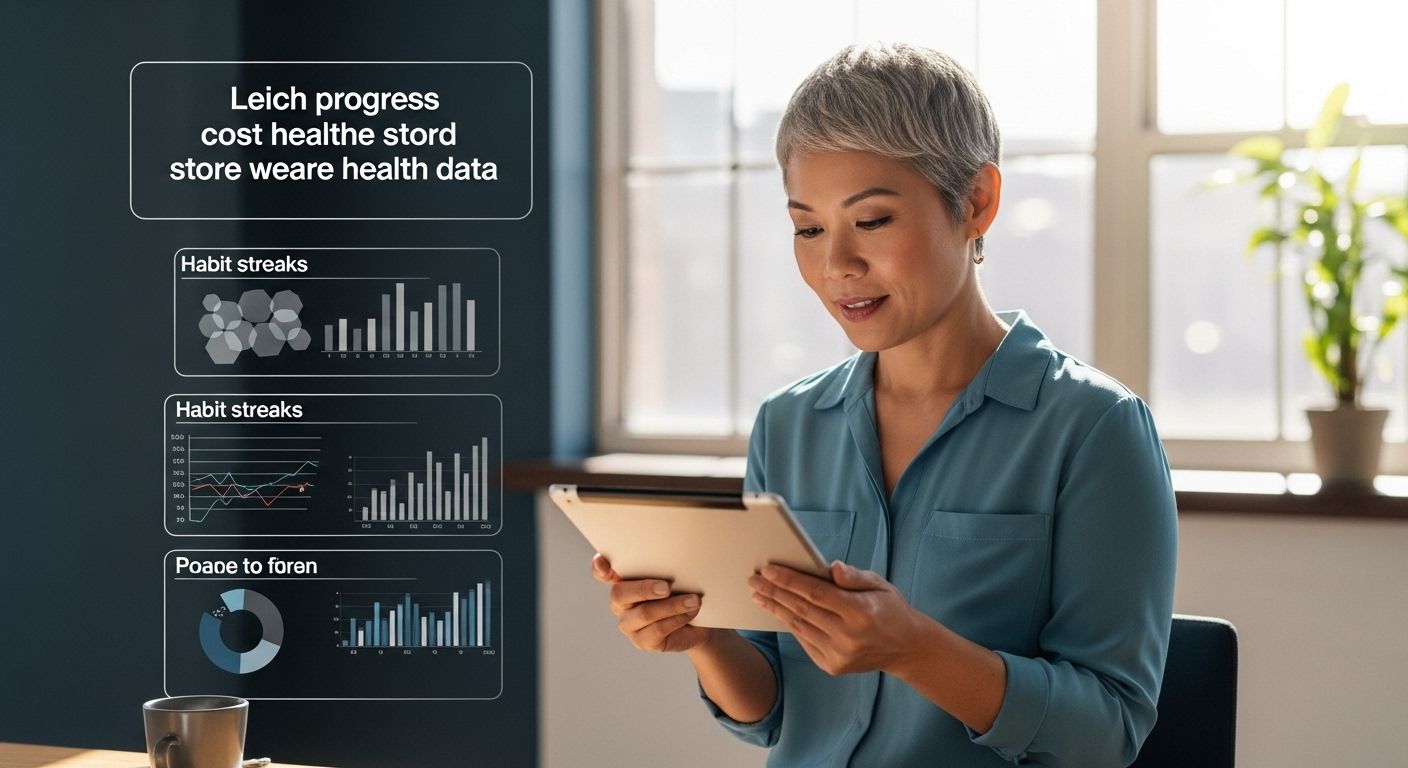
In today’s data-driven world, wearable health devices are transforming how coaches, nutritionists, and dietitians support their clients. But as the use of these tools grows, so does the complexity — and the cost — of storing wearable health data securely and compliantly. Here’s what every modern coach needs to know to make informed, future-proof decisions.
Understanding the True Cost of Storing Wearable Health Data
Storing wearable health data isn’t just about buying cloud space. The real cost includes secure storage, regulatory compliance, ongoing maintenance, and the value of advanced features that empower coaches to deliver better results.
Key Facts and Industry Insights
- Development and integration costs for platforms that handle wearable health data can range from $50,000 to over $400,000, depending on complexity, security, and compliance needs. Basic fitness apps are cheaper, but platforms supporting clinical decision support and virtual appointments are at the higher end.
- Maintenance is ongoing — regular updates, security patches, and hardware replacements are essential to keep data safe and systems running smoothly.
- Data storage and security are major cost drivers, especially when handling protected health information (PHI) under regulations like HIPAA (US) and GDPR (EU).
- The global wearable medical devices market is booming, projected to reach $53.73 billion in 2025 and over $427 billion by 2034 (source).
Why Compliance and Security Matter
When you store wearable health data, you’re not just managing numbers — you’re safeguarding sensitive personal information. Regulations like HIPAA and GDPR require:
- Robust encryption for data at rest and in transit
- Explicit user consent and transparent privacy policies
- Strict access controls and audit trails
Violating these regulations can result in fines up to $4 million for a single HIPAA breach. Security threats aren’t limited to data theft; data manipulation (such as altered glucose readings) can directly impact client safety.
“Compliance with standards (HIPAA in the U.S., GDPR in Europe) isn’t just a legal box to tick; it’s crucial for gaining user trust. Regulatory bodies have begun scrutinizing health apps and wearable platforms for compliance, and breaches can result in hefty fines.” — HealthITSecurity
Comparing Advanced Platforms vs. Generic Apps
Many coaches start with generic tracking apps like Apple Health or Fitbit. While these are accessible and often free, they come with significant limitations for professional use.
Feature/Cost Factor | Advanced Platforms (e.g., Ownership.Health) | Generic Apps (e.g., Apple Health) |
|---|---|---|
Development/Integration | $200,000–$400,000+ | Free–$150,000 (basic) |
Compliance | HIPAA/GDPR ready, audit trails | Not guaranteed |
Data Security | End-to-end encryption, regular audits | Basic encryption |
Data Integration | Multi-device, analytics | Limited, mostly device-specific |
User Control | High (customizable, consent management) | Low–moderate |
Professional Value | High (actionable insights, client management) | Low–moderate |
Ownership.Health is designed for coaches who need more than just basic tracking. Our platform provides:
- Cross-device sync: Connect Oura, Garmin, Fitbit, Apple Health, Withings, and more — data is merged, cleaned, and organized for a complete picture.
- AI Copilot: Decode trends, flag key changes, and suggest next steps — saving hours of manual analysis.
- Secure video calls: Built-in, encrypted, and fully compliant with HIPAA and GDPR.
- Custom AI coaching assistants: Keep clients engaged and supported between sessions.
- Habit and health tracking: Monitor sleep, nutrition, training, supplements, mood, energy, and more.
- Glucose and biomarker monitoring: Support metabolic, performance, or hormonal coaching with real-time data.
- Client dashboards and reports: Clean, visual reports to communicate progress and build trust.
- Data privacy and ownership: Clients own their data, with no third-party reselling and full export anytime.
Learn more about how we empower coaches at Ownership.Health.
The Value of Investing in Secure, Integrated Data Platforms
Benefits for Coaches, Nutritionists, and Dietitians
- Improved client outcomes: Real-time data enables truly personalized interventions and better tracking of progress.
- Operational efficiency: Automated data collection and analysis reduce manual entry and administrative burden.
- Competitive advantage: Platforms with strong compliance and security frameworks attract clients concerned about privacy.
- Potential for reimbursement: In the US, Medicare and some insurers now reimburse for remote patient monitoring using approved devices (source).
Challenges to Consider
- Upfront and ongoing costs for secure, compliant platforms can be significant.
- Complexity of integration with multiple devices and health records.
- User privacy concerns: Many clients are wary of sharing health data, especially across platforms.
- Security risks: Wearables can be entry points for cyberattacks, including data manipulation and ransomware (source).
Best Practices for Coaches Managing Wearable Health Data
- Choose platforms with proven compliance and robust security — don’t compromise on client safety or trust.
- Regularly review and update consent policies and user agreements to reflect evolving regulations.
- Educate clients about data privacy and their rights — transparency builds trust.
- Integrate data only from trusted, secure devices to minimize risk.
- Monitor regulatory changes and adapt your policies and practices accordingly (source).
Recent Trends and Policy Updates
- Medicare reimbursement for remote patient monitoring is expanding, incentivizing the adoption of compliant wearable platforms.
- Regulatory scrutiny is increasing: Expect more guidelines on the use of patient-generated health data in clinical and coaching settings.
FAQ: Cost of Storing Wearable Health Data
Q: Why is storing wearable health data more expensive for coaches than for individual users? A: Coaches must comply with strict regulations (HIPAA, GDPR), invest in secure storage, and maintain advanced analytics and integration features. These requirements drive up both upfront and ongoing costs.
Q: Can I use Apple Health or Fitbit for my coaching business? A: While these apps are great for personal use, they often lack the compliance, integration, and professional features required for coaching at scale. They may not meet HIPAA/GDPR standards or offer the analytics and client management tools you need.
Q: How does Ownership.Health protect my clients’ data? A: We use end-to-end encryption, regular security audits, and strict access controls. Clients own their data, with no third-party reselling and full export capabilities.
Q: Are there any hidden costs to storing wearable health data? A: Beyond storage, consider costs for compliance, security, ongoing maintenance, and integration with new devices or health records. Advanced platforms like Ownership.Health bundle these features to save you time and reduce risk.
Q: What if regulations change? A: We monitor regulatory updates and adapt our platform to ensure ongoing compliance, so you can focus on coaching with confidence.
Conclusion
The cost of storing wearable health data is an investment in your coaching business’s future. With the right platform, you gain not just compliance and security, but also the tools to deliver truly personalized, scalable, and effective coaching. At Ownership.Health, we’re committed to helping you work smarter, not harder — so you can focus on what matters most: your clients’ success.
Ready to elevate your coaching with secure, integrated health data? Discover more at Ownership.Health.
References:
- Wearable Medical Devices Market Report
- Medicare Telemedicine Fact Sheet
- NCBI: Security and Privacy of Wearable Health Devices
- HIPAA Compliance for Wearable Devices