
 25.08.2025a year ago
How Breathing Rate is Transforming Health Coaching
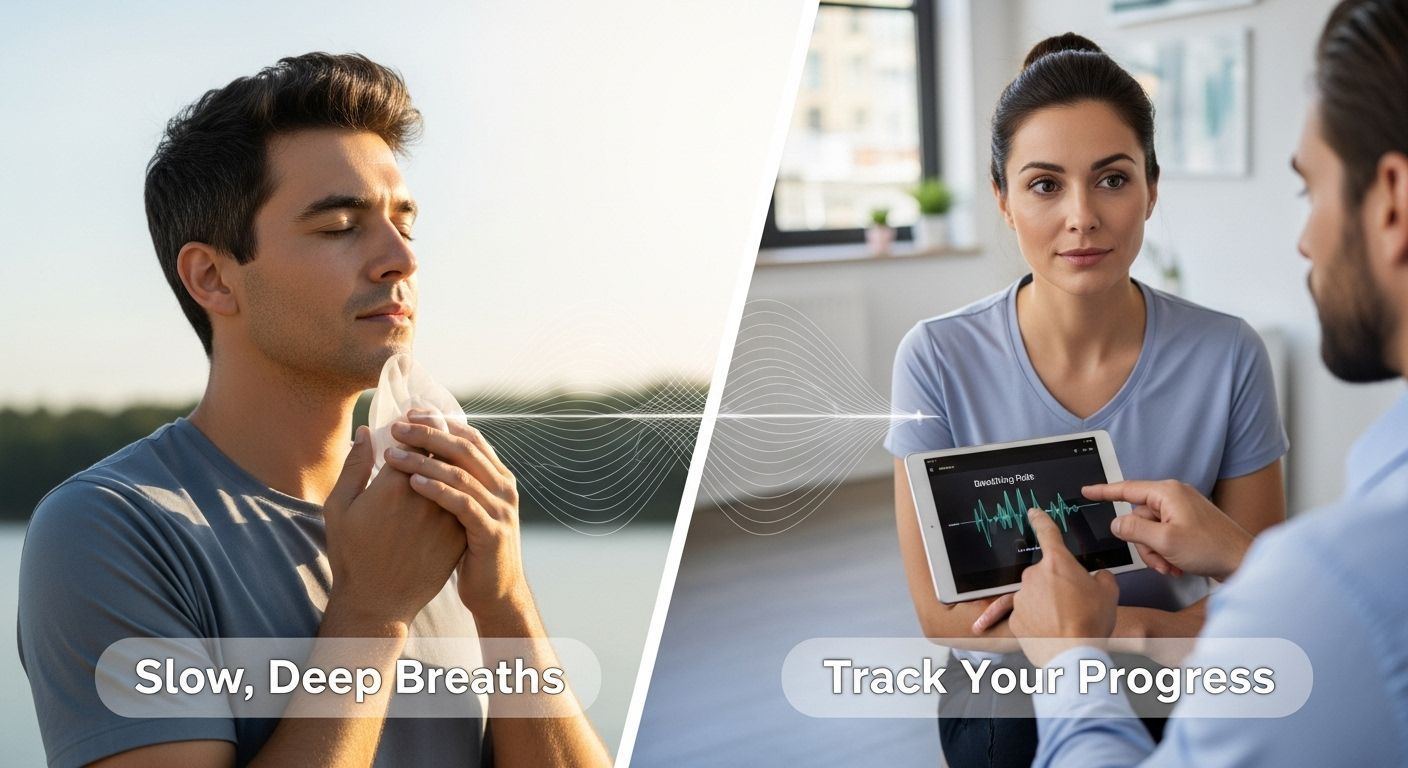
Breathing rate is rapidly emerging as a cornerstone metric in modern health coaching, bridging the gap between real-time physiology and actionable lifestyle change. With the rise of wearable data, lifestyle analytics, and dynamic client dashboards, coaches now have unprecedented tools to personalize interventions, boost coach engagement, and deliver results — even at a distance.
Why Breathing Rate Matters in Coaching
Breathing rate (BR) is more than just a number — it's a window into stress, recovery, and overall well-being. Research shows that faster, erratic breathing is tightly linked to stress and anxiety, while slower, controlled breathing can improve mental health outcomes. A 2023 meta-analysis found that each 1 breath/min reduction in BR post-training correlated with a 1.83-point increase in psychological well-being scores, even after accounting for age and sex.
Key Value for Coaches: Breathing rate changes within minutes of stress-reduction practices, providing an immediate, visible metric to reinforce adherence and motivate clients both during and between sessions. This makes BR a powerful anchor for coach engagement and client buy-in.
The Power of Wearable Data and Lifestyle Analytics
Modern wearables — like Oura, Garmin, Fitbit, and Apple Health — passively track breathing rate through respiratory sinus arrhythmia and thoracic motion. This continuous data stream allows coaches to:
- Monitor daily BR baselines and trends without extra client effort.
- Detect stress triggers and recovery windows by combining BR with heart rate variability (HRV), resting heart rate, sleep staging, and activity data.
- Prescribe micro-interventions (e.g., 5 minutes of 6-bpm breathing before a stressful event) based on real-time insights.
Platforms like Ownership.Health take this a step further by merging, cleaning, and organizing data from multiple devices, giving coaches a holistic view of client health and performance.
Client Dashboards: Turning Data into Action
Effective client dashboards are transforming how coaches deliver value. Here’s what leading platforms surface:
- Current and trend BR (awake and sleep), with normal ranges and personalized targets.
- HRV and resting heart rate trends contextualized with tags for workouts, caffeine, alcohol, and stressors.
- Adherence widgets showing days clients hit their resonant-breathing target (e.g., 5–6 bpm) and average session duration.
- Insight cards that link BR changes to subjective outcomes, such as “Your BR dropped 2 breaths/min on days you practiced ≥8 minutes; HRV rose 10% the following night.”
These dashboards not only provide clarity but also foster trust and transparency, helping clients see the tangible impact of their efforts.
Personalization and Remote Engagement
Breathing rate is a highly individual metric. Baseline BR and its variability help coaches stratify clients — identifying those prone to stress or hyperventilation — and tailor protocols like resonant-frequency or extended-exhalation breathing.
Remote coaching is supercharged by automated nudges and event-driven insights. For example, dashboards can flag BR spikes or elevated nocturnal BR as signs of acute stress, overreaching, or poor sleep hygiene, prompting timely coach outreach and intervention.
Evidence-Based Protocols for Coaches
- Assessment: Record resting BR across several days (ideally morning and during quiet sitting) and collect sleep BR from wearables to establish baselines.
- Training: Guide clients through paced breathing at 5–6 breaths/min for 5–10 minutes, 1–2 times/day, progressing as tolerated.
- Extended Exhalations: Teach longer out-breaths to enhance relaxation and track adherence via dashboards.
- Personalization: Test different cadences and exhale:inhale ratios, using BR stability and perceived effort to find the optimal protocol.
- Micro-Moments: Prescribe short sessions before and after stressors, tracking acute BR shifts and recovery speed.
- Lifestyle Integration: Adjust protocols in response to factors like alcohol, late meals, illness, or overreaching, which can elevate BR.
Coach Engagement and Client Motivation
Breathing rate offers a “quick win” metric — clients often see improvements within a week, sustaining motivation better than slower-changing markers like weight or lab results. Real-time BR reduction during guided sessions provides instant biofeedback, deepening engagement and reinforcing positive behavior.
Closed-loop learning — where clients see their BR drop in real time — builds self-efficacy and habit loops. Platforms can even auto-suggest protocol adjustments based on individual BR trends, making coaching more dynamic and responsive.
Regulations, Guidelines, and Best Practices
- Scope-of-Practice: Breathing exercises for stress and performance are generally within the wellness coaching scope. However, diagnosing or treating medical conditions (e.g., COPD, panic disorder) requires referral to licensed clinicians.
- Safety Screening: Screen for respiratory, cardiovascular, or psychiatric conditions and adapt protocols as needed. Monitor for dizziness or distress.
- Data Privacy: Ensure secure handling and client consent for wearable data, consistent with privacy regulations (e.g., GDPR, HIPAA). Document coaching goals and outcomes tied to BR trends.
For more on privacy and data ownership, see Ownership.Health’s data privacy approach.
Practical Playbook for Implementation
- Onboarding: Collect baseline BR (rest and sleep), subjective stress/sleep, and context tags for two weeks.
- Pattern Identification: Analyze morning vs evening BR, workday spikes, and impacts of alcohol or sleep. Set individualized targets (e.g., reduce resting BR by 2 breaths/min over 8 weeks).
- Intervention: Teach diaphragmatic mechanics and resonance breathing; incorporate micro-doses before known stressors.
- Tracking: Monitor minutes at target cadence, BR stability, HRV change, and weekly well-being scores. Adjust as needed.
- Remote Engagement: Use automated nudges for BR deviations and share weekly insight cards linking BR trends to improved sleep, mood, or performance.
Limitations and Open Questions
While evidence for the stress and mental health benefits of breathwork is growing, more rigorous studies are needed to quantify long-term effects and mechanisms. Not all clients experience large psychological shifts, underscoring the importance of multimodal programs that pair breathing with sleep, activity, and cognitive skills training.
Expert Insights
- “Your average breathing rate fell by 2 breaths/min this month, and your well-being score rose in parallel — let’s keep the 6-bpm evening sessions that are working for you.”
- “We’ll use short 4–6-bpm sets before presentations; your wearable will flag BR spikes so I can message you in real time with a 3-minute reset.”
- “If your night-time BR stays elevated for two days, we’ll pivot to recovery and earlier bedtime; this helps avoid overreaching and supports HRV rebound.”
FAQ
What is a healthy breathing rate for adults?
A typical resting breathing rate for healthy adults is 12–20 breaths per minute. However, lower rates (6–10 bpm) are often targeted in stress-reduction and performance protocols.
How does breathing rate relate to stress?
Faster, shallow breathing is linked to sympathetic nervous system activation (stress response), while slower, deeper breathing enhances parasympathetic activity (relaxation and recovery).
Can wearables accurately track breathing rate?
Most modern wearables use validated methods (e.g., respiratory sinus arrhythmia, thoracic motion) to estimate breathing rate, especially during sleep and rest. Accuracy may vary with activity and device.
How do coaches use breathing rate data?
Coaches use BR data to personalize interventions, monitor progress, and engage clients through dashboards and automated insights. This enables timely support and more effective habit formation.
Are there risks to breathwork protocols?
Breathwork is generally safe for most people, but those with respiratory, cardiovascular, or psychiatric conditions should consult a healthcare provider before starting. Coaches should screen for contraindications and adapt protocols as needed.
Breathing rate is transforming health coaching by providing a high-signal, low-friction lever for personalized, data-driven care. By integrating wearable data, lifestyle analytics, and dynamic client dashboards, coaches can deliver more effective, engaging, and scalable interventions — empowering clients to take ownership of their health journey.
For more on how to leverage breathing rate and other advanced metrics in your coaching practice, visit Ownership.Health.
References & Further Reading:
- Harvard Health: Breathing for Health
- NIH: Heart Rate Variability and Breathing
- Sleep Foundation: How Wearables Track Breathing
- Verywell Mind: The Science of Breathwork